Michigan Temperatures: Navigating the State's Extreme Swings from Freezing Forecasts to Hot Today
Michigan, often dubbed the "Great Lakes State," is renowned not just for its stunning natural beauty but also for its incredibly dynamic weather patterns. Residents and visitors alike frequently experience a dramatic spectrum of conditions, sometimes within a single day. When we talk about Michigan temperatures, we're discussing a narrative that can shift from surprisingly warm to bitterly cold in a blink, presenting both challenges and unique charms.
Today, the state is experiencing a pleasant warmth, with forecasts predicting highs reaching a comfortable 25°C. This inviting warmth, however, is merely a chapter in Michigan's ever-unfolding weather story. Looking ahead, forecasts point towards a significant shift, with impending freezing temperatures, the possibility of snow, and powerful winds. Understanding these fluctuations is key to fully appreciating life in this captivating state, where the weather truly keeps you on your toes.
Today's Michigan Temperatures: A Snapshot of Warmth Across the Mitten
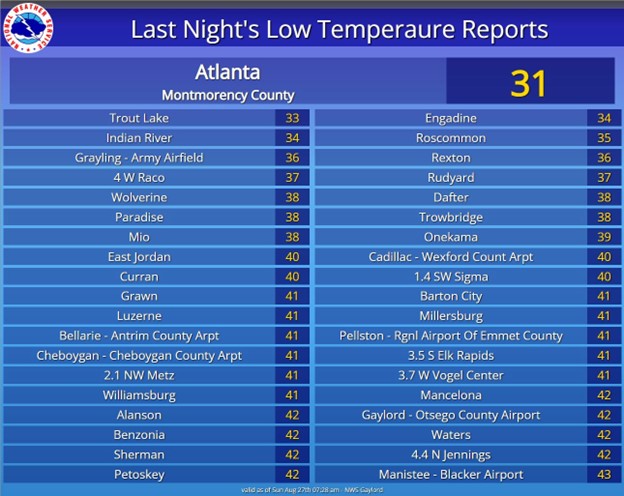
While the broader forecast for today suggests a high of 25°C, the current live observations across Michigan reveal a more nuanced picture, showcasing the state's inherent geographical diversity. As you traverse the state, you'll find a mosaic of microclimates, each with its own specific thermal signature. For instance, Lansing currently reports a mild 16°C, feeling exactly like 16°C, with a daily forecast high of 20°C and a nighttime low of 7°C.
The state's current warmest spot is Lapeer, reaching 17°C, while the coolest significant reading is found in Manistique, at a brisk 5°C. This immediate variation underscores the fact that "hot today" is a generalized statement, and local conditions can differ significantly. Other major hubs like Detroit and Grand Rapids are enjoying a pleasant 16°C, while cities further north or closer to specific lake effects, such as Hart (11°C) or Ironwood (6°C), exhibit cooler readings. Even as the sun shines, the evening will bring a noticeable cool-down, with temperatures expected to drop to around 6°C across much of the state, reminding us that even on a warm day, a Michigan evening can quickly turn chilly.
Regional Variations: Why Michigan's Map is a Mosaic of Microclimates
The vast differences in current Michigan temperatures across the state aren't just random; they're a fascinating interplay of geography, meteorology, and the profound influence of the Great Lakes. The lakes act as massive thermal batteries, absorbing heat in summer and releasing it slowly in fall and early winter, then having the opposite effect in spring, delaying warming. This leads to distinct regional patterns:
- Lake Effect: Communities hugging the coastlines, especially along Lake Michigan, often experience more moderated temperatures – cooler summers and warmer winters than their inland counterparts. This also contributes to the famous "lake effect snow" in winter.
- Northern vs. Southern Michigan: Simply put, the Upper Peninsula and northern Lower Peninsula are generally colder due to higher latitudes and different topographical features, including higher elevations in some areas. This explains why Manistique or Ironwood might be significantly cooler than Lansing or Detroit.
- Urban Heat Islands: Densely populated areas like Detroit, Grand Rapids, and Lansing can create "urban heat islands," where pavement and buildings absorb and re-emit heat, making city centers slightly warmer than surrounding rural areas.
Understanding these regional nuances is crucial for residents and travelers. A forecast for "Michigan" gives a broad idea, but specific local conditions can vary dramatically. Always check hyper-local forecasts for your exact destination, as temperature swings and conditions can be highly localized. For a deeper dive into city-specific data, explore our detailed analysis on Local Michigan Temperatures: A City-by-City Weather Snapshot.
Upcoming Forecast: Brace for the Big Chill and Freeze-Thaw Cycles
The current warmth is set to be a fleeting delight as the long-range forecast for Michigan temperatures predicts a significant plunge into winter's embrace. The coming days and weeks are expected to usher in a period characterized by well-below-freezing temperatures, the return of snow, and dynamic wind conditions. This dramatic shift highlights the quintessential Michigan experience – a constant dance between seasons.
Prepare for periods where temperatures will be consistently below freezing. We anticipate maximums around 30°F (-1°C) and minimums dipping to 18°F (-8°C), particularly during nighttime hours. There are even forecasts for "well below freezing" conditions, with daytime highs struggling to reach 16°F (-9°C) and nighttime lows plummeting to a frigid 5°F (-15°C). Such extreme cold demands careful preparation and awareness.
A recurring theme in the forecast is the prevalence of "freeze-thaw conditions." This means temperatures will oscillate around the freezing point, climbing to highs such as 41°F (5°C), 34°F (1°C), or even 46°F (8°C) during the day, only to drop significantly overnight to lows of 7°F (-14°C), 14°F (-10°C), or 12°F (-11°C). These cycles are particularly hazardous, leading to icy roads, sidewalks, and potential damage to pipes and infrastructure.
Precipitation is also on the horizon, with a "dusting of new snow" expected during some of these colder periods. While not a heavy snowfall, any accumulation combined with freezing temperatures can create slick and dangerous conditions. Wind will also play a role; while generally light for some stretches, strong winds from the NNW are forecast to decrease over time, transitioning to lighter breezes. However, even light winds can make already cold temperatures feel much more severe due to wind chill.
Beyond the immediate temperature and snow forecasts, Michiganders should also remain vigilant for broader weather warnings. Live weather reports from Michigan stations indicate potential risks including thunder, which can accompany volatile weather fronts, a high UV index even during cooler or partly cloudy days, and forecast gales – strong, damaging winds that can affect travel and cause power outages. Staying informed through local weather channels and alerts is paramount during these fluctuating periods.
Navigating Michigan's Dynamic Temperatures: Tips for Residents and Visitors
Living with or visiting a state where Michigan temperatures can swing from warm to Arctic in a matter of days requires a proactive approach. Here are some practical tips to help you stay comfortable, safe, and prepared:
- Layer Up, Always: The golden rule for Michigan weather is dressing in layers. Even on a "hot" day, evenings can be cool. For freezing forecasts, multiple thin layers trap heat more effectively than one thick layer. Include a waterproof/windproof outer shell.
- Stay Informed: Make checking the local hourly and 12-day weather forecast a daily habit. Utilize reliable weather apps and local news outlets for the most up-to-date information, including live weather reports and warnings for thunder, high UV, or gales.
- Driving Safety: Freeze-thaw conditions are notorious for creating black ice. Always assume roads might be slippery when temperatures are around freezing. Drive slower, increase following distance, and ensure your vehicle is winter-ready with good tires, adequate fluids, and an emergency kit.
- Hydration and Sun Protection: Even in cooler temperatures, especially when sunny or active, stay hydrated. The UV index can be high even on a cold day, so wear sunscreen, especially if snow is on the ground, as it reflects UV rays.
- Home Preparedness: Before cold snaps, ensure your home's pipes are insulated, especially those in unheated areas. If temperatures drop drastically, consider dripping faucets to prevent freezing. Check your furnace and ensure your carbon monoxide detector is functional.
- Outdoor Activities: Plan your outdoor adventures around the forecast. Strong winds can make a moderate temperature feel frigid. Be aware of changing conditions if hiking or engaging in watersports.
The Science Behind Michigan's Temperature Swings
The remarkable variability in Michigan temperatures isn't just happenstance; it's a fascinating display of atmospheric physics and geography. The primary driver is Michigan's location in the mid-latitudes of North America, where it's regularly influenced by contrasting air masses:
- Arctic Air Masses: Cold, dry air originating from the Canadian Arctic frequently sweeps south, bringing bitter cold and strong winds, especially in winter.
- Gulf Air Masses: Warm, moist air from the Gulf of Mexico pushes north, leading to warmer temperatures and often higher humidity, prevalent in summer and sometimes in transitional seasons.
- Pacific Air Masses: Air from the Pacific Ocean, moderated by its journey over the western mountains, can also influence Michigan's weather, often bringing milder conditions.
The Great Lakes themselves act as significant thermal regulators. Their vast bodies of water warm and cool much slower than land. This "lake effect" can:
- Moderate Temperatures: Keeping shorelines cooler in spring/early summer and warmer in late fall/early winter compared to inland areas.
- Enhance Precipitation: Lake effect snow is a prime example, where cold air passing over warmer lake waters picks up moisture and deposits it as snow downwind.
- Influence Humidity: The lakes contribute to higher humidity levels, affecting how temperatures "feel."
The dynamic interaction of these air masses with the Great Lakes creates the characteristic, often unpredictable, weather patterns that define Michigan, from sudden thunderstorms and gale warnings to rapid temperature drops and persistent freeze-thaw cycles.
Conclusion: Embrace the Unpredictable Charm of Michigan Temperatures
From the current pleasant warmth stretching across the Lower Peninsula to the stark warnings of impending freezing conditions and dusting of snow, Michigan temperatures are truly a testament to the state's dynamic climate. This constant fluctuation, while demanding preparedness, also lends Michigan its unique character, offering residents and visitors a full spectrum of seasonal experiences.
Whether you're bundling up for a sub-zero night or enjoying a unexpectedly warm afternoon, staying informed and prepared is your best defense against Michigan's meteorological mood swings. Embrace the unpredictability, understand the local nuances, and you'll find that Michigan's ever-changing weather is just another facet of its undeniable charm.